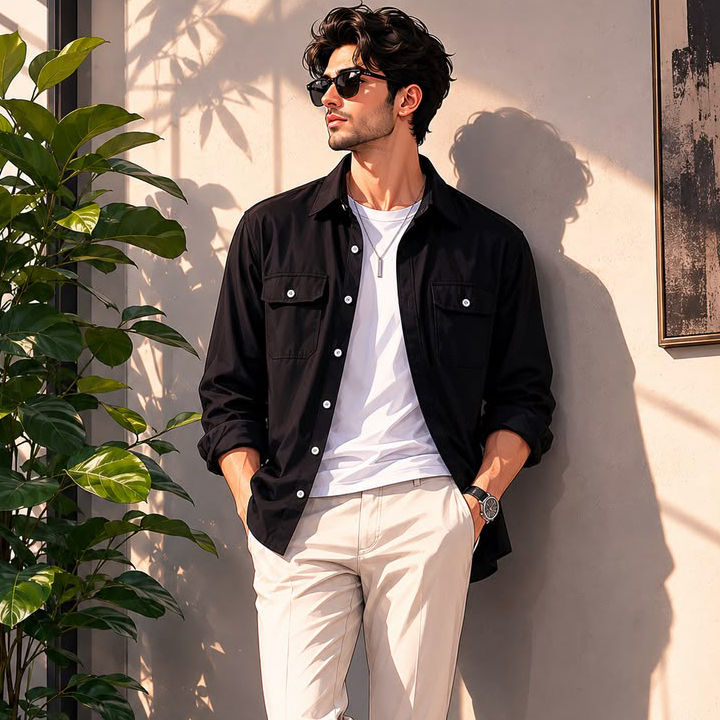
Visual Harmony
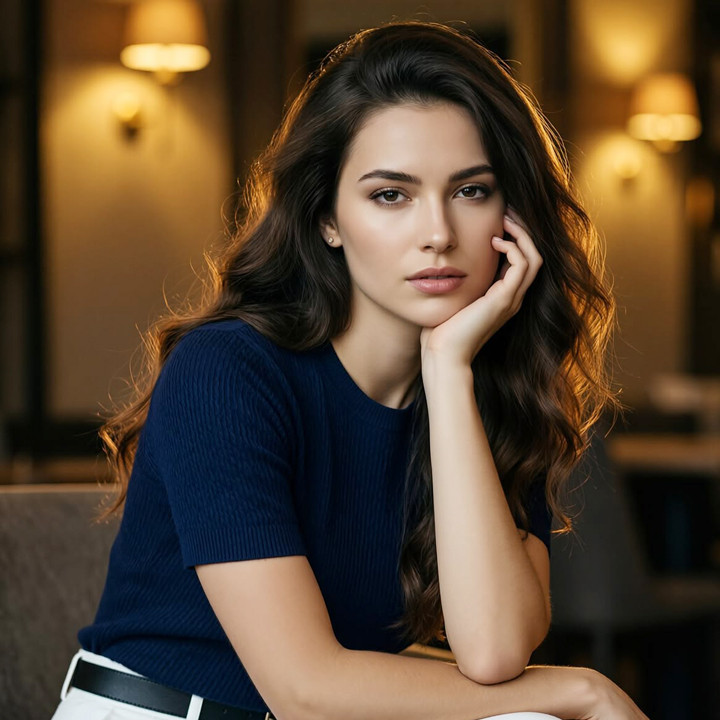
Getting dressed well is not always about wearing expensive clothing or following the latest fashion movements. Some outfits naturally appear polished, effortless, and visually pleasing without looking like too much effort was involved. This effect is often called visual harmony—the balance created when every element of an outfit complements the others.
Rather than relying on bold statements, visually harmonious outfits create a sense of ease through thoughtful choices. They feel complete without appearing forced, allowing personal style to stand out naturally. Understanding the principles behind visual harmony can make everyday dressing simpler while helping every outfit look more intentional.
Start With A Clear Foundation
Every balanced outfit begins with a strong foundation. Instead of combining numerous standout pieces, choose clothing that works together through similar visual weight and purpose.
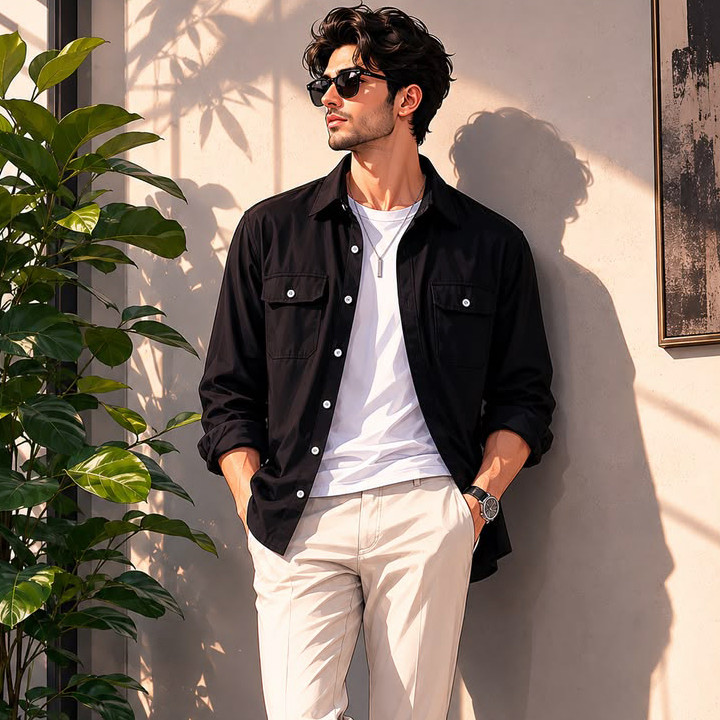
A structured shirt paired with well-fitted trousers creates a refined appearance because both pieces communicate the same level of formality. Likewise, relaxed silhouettes naturally pair well with other casual garments, maintaining consistency throughout the outfit. Building from a simple foundation makes it easier to introduce subtle details without disrupting the overall appearance.
Keep Colors Working Together
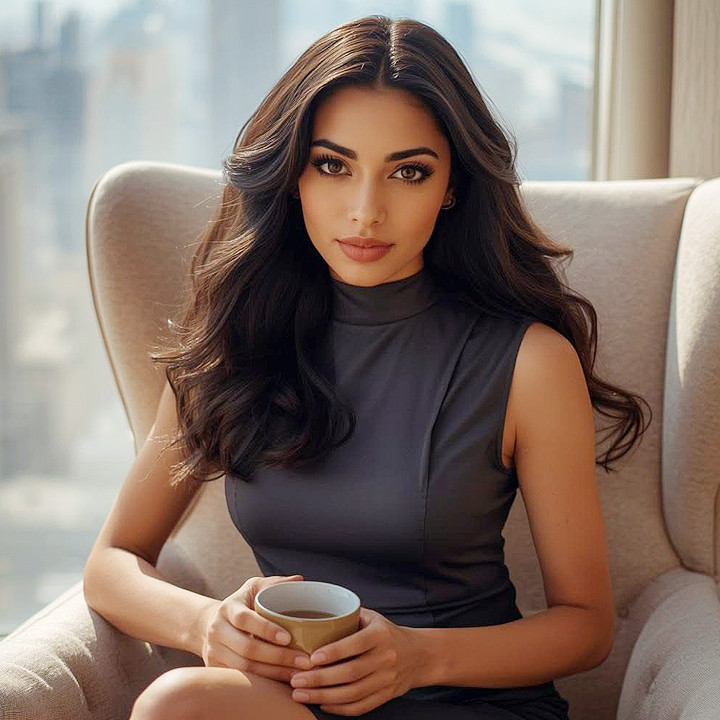
Color plays one of the biggest roles in creating visual harmony. Balanced outfits usually feature shades that naturally complement each other rather than competing for attention. Neutral tones provide a timeless base, while one or two accent colors add personality without overwhelming the look. Choosing colors with similar depth or warmth creates a smoother visual transition, allowing every piece to feel connected. When colors support each other instead of dominating the outfit, the overall appearance feels calm, polished, and naturally coordinated.
Balance Shape And Proportion
Visual harmony depends heavily on proportion. Every garment contributes to the overall silhouette, making balance more important than complexity.
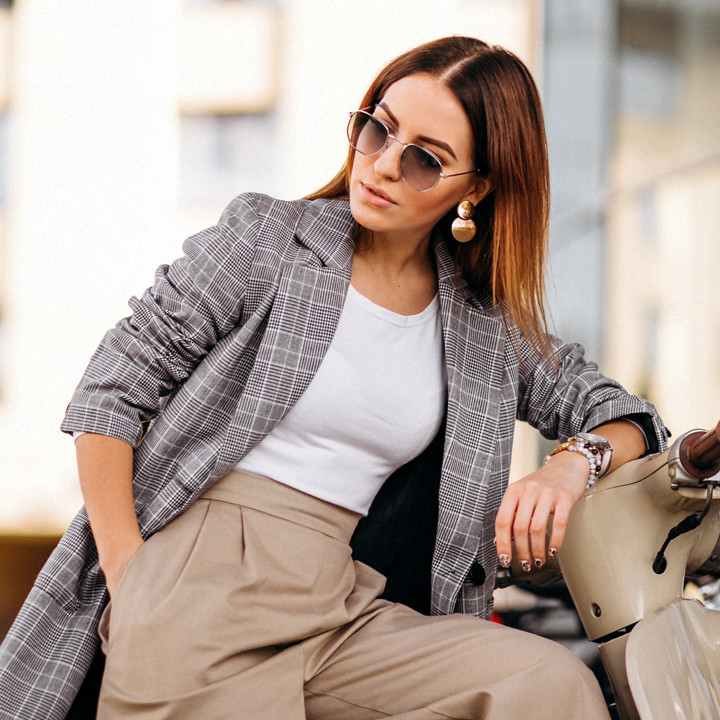
If one piece has a relaxed shape, pairing it with a cleaner, more structured garment often creates pleasing contrast. Similarly, combining pieces with similar proportions prevents the outfit from feeling uneven or visually heavy in one area. Paying attention to proportion helps create movement while maintaining a comfortable and refined appearance throughout the outfit.
Let Fabrics Create Natural Depth
Texture quietly influences how an outfit feels. Even when clothing shares similar colors, different fabrics introduce depth without requiring dramatic contrasts.
Smooth cotton, soft knits, crisp linen, and refined woven fabrics each contribute unique visual interest. Combining complementary textures allows outfits to appear layered and dimensional while remaining understated. The goal is not dramatic variation but gentle contrast that keeps the overall appearance interesting without becoming distracting.
Reduce Visual Competition
Many outfits lose balance because every garment tries to become the main attraction. Visual harmony is easier to achieve when only one element naturally draws attention while the remaining pieces provide support.
A distinctive pattern, unique silhouette, or rich color can become the focal point, while surrounding garments remain clean and understated. This creates a clear visual direction that feels intentional rather than crowded. Limiting competing elements allows each piece to contribute without overwhelming the overall composition.
Repeat Small Design Elements
Balanced outfits often contain subtle repetition that the eye recognizes immediately. Similar stitching details, coordinated color accents, matching fabric finishes, or recurring shapes quietly connect different garments.
These repeated visual cues create continuity throughout the outfit without appearing obvious. Even small consistencies can make separate pieces feel thoughtfully selected rather than randomly combined. The result is an outfit that feels naturally complete from every angle.
Dress With Purpose Instead Of Excess
Visual harmony is rarely created by adding more. Instead, it comes from selecting clothing with intention and allowing every piece to serve a clear purpose. Choosing garments that reflect the same mood, occasion, and overall aesthetic creates consistency without sacrificing individuality. This thoughtful approach often produces outfits that appear more refined than combinations built around numerous attention-grabbing elements. Simple decisions made with clarity usually create stronger visual impact than excessive styling.
Confidence Completes The Look
Even the most carefully balanced outfit relies on confidence to feel authentic. Clothing that fits comfortably, reflects personal taste, and suits everyday activities naturally appears more harmonious because it feels genuine. When people feel comfortable in what they wear, their posture, movement, and overall presence become more relaxed. This effortless confidence enhances the outfit far more than unnecessary complexity ever could.
Visual harmony is ultimately about creating balance through proportion, color, texture, and thoughtful coordination. Rather than chasing perfection or constantly adding more elements, focus on building outfits where every garment contributes to a unified appearance. The most memorable looks often feel effortless because they prioritize balance over excess, allowing personal style to shine with quiet confidence and lasting elegance.